Search Results - DOLPHIN
Dolphin
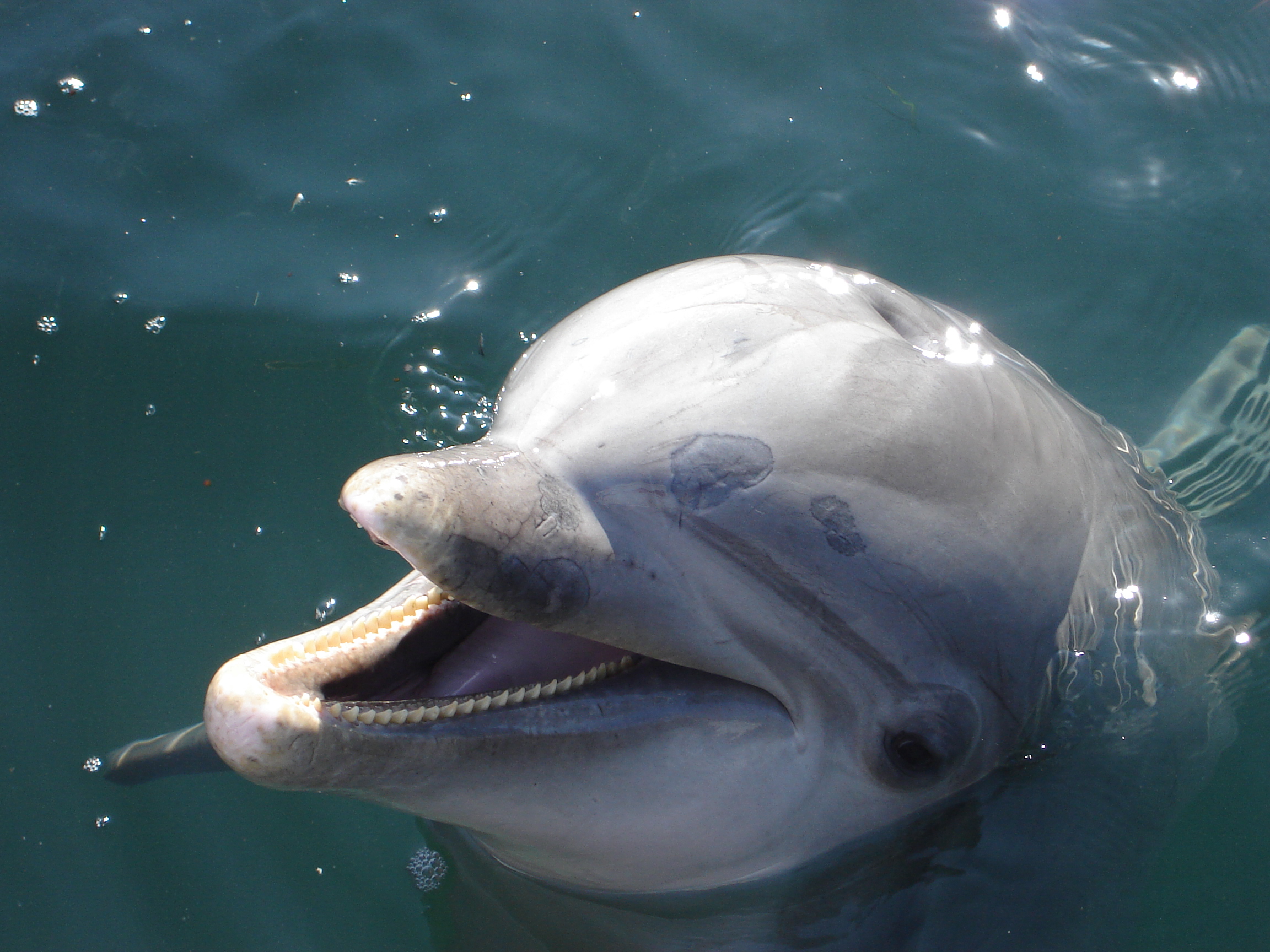 Lipotidae
* Platanistidae
* Pontoporiidae
|excludes = * Monodontidae
* Phocoenidae
* Physeteroidea
* Ziphiidae
}}
A dolphin is any one of the 40 extant species of aquatic mammal from the cetacean families Delphinidae (the oceanic dolphins), Platanistidae (the Indian river dolphins), Iniidae (the New World river dolphins), Pontoporiidae (the brackish dolphins), and the probably extinct Lipotidae (''baiji'' or Chinese river dolphin). All these families belong to the parvorder Odontoceti, i.e., toothed whales, which also include the closely related families Monodontidae (beluga and narwhal) and Phocoenidae (porpoises), as well as the more distant families Physeteroidea (sperm whales) and Ziphiidae (beaked whales).
Lipotidae
* Platanistidae
* Pontoporiidae
|excludes = * Monodontidae
* Phocoenidae
* Physeteroidea
* Ziphiidae
}}
A dolphin is any one of the 40 extant species of aquatic mammal from the cetacean families Delphinidae (the oceanic dolphins), Platanistidae (the Indian river dolphins), Iniidae (the New World river dolphins), Pontoporiidae (the brackish dolphins), and the probably extinct Lipotidae (''baiji'' or Chinese river dolphin). All these families belong to the parvorder Odontoceti, i.e., toothed whales, which also include the closely related families Monodontidae (beluga and narwhal) and Phocoenidae (porpoises), as well as the more distant families Physeteroidea (sperm whales) and Ziphiidae (beaked whales).Dolphins range in sizes from the man-sized and Maui's dolphin; to the and apex predator, the orca. Various species of dolphins exhibit sexual dimorphism where the males are larger than females. They have streamlined, fish-like bodies with the two forelimbs evolving into flippers, complete loss of hindlimbs (with only vestigial pelvic skeleton), and the tail forming a horizontal fluke. Though not quite as flexible as the semiaquatic seals, they are faster and more agile in water; some dolphins can briefly travel at speeds of or leap about . Dolphins use their conical teeth to capture fast-moving prey such as forage fish, coleoids and shrimps. They have well-developed hearing which is adapted for both air and water; so well developed that some can survive even if they are blind. Some species are well adapted for diving to great depths. Like other aquatic mammals, they have a thick layer of subcutaneous adipose tissue, i.e., blubber, to keep the body warm in the cold water.
Dolphins are widespread, mostly in pelagic marine environments but some thrive in brackish and freshwater bodies. Most species prefer the warm waters of the tropic zones, but some, such as the right whale dolphin, prefer colder climates. Like most nektonic animals, dolphins are carnivorous, feed largely on fish and squid, but a few large-bodied dolphins, such as the orca, prey upon larger marine animals such as seals, other dolphins and porpoises, large bluewater fish such as sharks, billfish and bluefin tuna, and sometimes even seabirds. Male dolphins typically mate with multiple females every year, but females only mate every two to three years. Calves are typically born in the spring and summer months and females bear all the responsibility for raising them. Mothers of some species fast and nurse their young for a relatively long period of time.
Dolphins are highly social animals living in complex "fission-fusion" societies, forming fluid groups (i.e., ''pods'') that constantly change in size and composition. Like whales, dolphins produce a variety of vocalizations, usually in the form of high-pitched clicks and whistles, and are very keen with echolocation.
While relatively uncommon compared to whaling, dolphins are sometimes hunted in places such as Japan and parts of Latin America (where it is referred to as '''', meaning "sea pork", in Peru), in an activity known as dolphin drive hunting. Besides drive hunting, they also face threats from bycatch, ghost net entanglement, habitat loss and marine pollution. Due to their grace and high intelligence, dolphins feature prominently in various cultures worldwide, such as in art or folklore. Dolphins are sometimes kept in captivity within dolphinariums for research, conservation or to be trained to perform tricks in marine mammal parks; the most common dolphin species in captivity is the bottlenose dolphin, while there are also around 60 orcas in captivity. Provided by Wikipedia
-
1
-
2
-
3
-
4
-
5
-
6
-
7
-
8
-
9
-
10
-
11